Disclaimer: The information in this article is for educational purposes only. While the search term “cure respiratory infection with natural herbs” is popular, herbs are best used to support the body’s natural healing processes and relieve symptoms. Always consult a healthcare professional before treating an infection, especially if symptoms are severe or persistent.
When cold and flu season strikes, or when a lingering cough just won’t quit, many people look for holistic ways to heal. If you are looking to cure respiratory infection with natural herbs, you are tapping into centuries of traditional medicine.
Herbal remedies can act as powerful expectorants, immune boosters, and soothing agents for inflamed lungs. Below is a comprehensive guide to the best plants to help you breathe easier, clear congestion, and support your respiratory system.
Why Choose Natural Herbs for Respiratory Health?
Before diving into the specific plants, it is important to understand how herbal medicine works for the lungs. Natural herbs offer a multi-faceted approach to respiratory health:
- Expectorants: Help thin and expel mucus from the lungs.
- Demulcents: Coat and soothe irritated mucous membranes.
- Antispasmodics: Relax the chest muscles to relieve hacking coughs.
- Antimicrobials: Support the body in fighting off viral or bacterial pathogens.
Top Herbs for Respiratory Infections
If you want to support your body’s ability to fight a respiratory infection naturally, these eight herbs are some of the most effective tools in the apothecary.
1. Mullein: The Gentle Lung Cleanser
Mullein (Verbascum thapsus) is traditionally known as the ultimate lung herb. It is highly valued for its demulcent and expectorant properties. Mullein helps to draw water into the mucus in your lungs, making it thinner and easier to cough up, while simultaneously soothing the inflamed tissues of the respiratory tract.
- Best for: Dry, raspy coughs and chest tightness.
2. Thyme: The Powerful Expectorant
Thyme (Thymus vulgaris) is much more than a kitchen spice. It is rich in essential oils, particularly thymol, which has potent antimicrobial and antiviral properties. Thyme acts as a relaxing expectorant, making it incredibly effective for deep-seated chest congestion and bronchitis.
- Best for: Wet, productive coughs and clearing thick mucus.
3. Elecampane: Deep Lung Support
Elecampane (Inula helenium) is a robust root that shines when a respiratory infection has settled deep into the lungs. It is a warming expectorant that helps to stimulate the clearing of old, stuck mucus while providing a mild antibacterial effect.
- Best for: Deep, lingering chest infections and stubborn coughs.
4. Peppermint: Soothing Cooling Relief
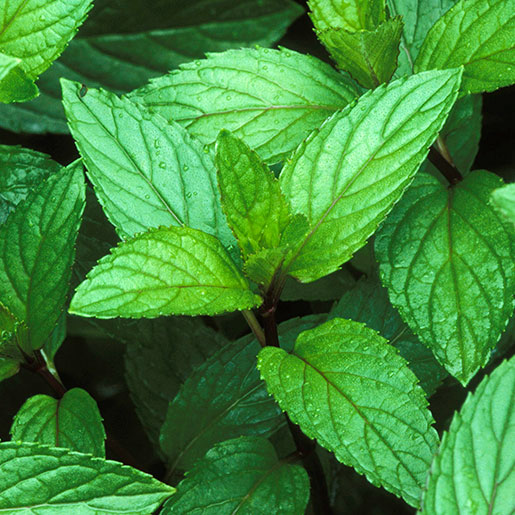
Peppermint (Mentha piperita) contains menthol, a natural chemical that acts as a decongestant. Menthol helps to shrink swollen membranes in the nose and throat, making it easier to breathe. It also has a mild antispasmodic effect, calming the cough reflex.
- Best for: Stuffy noses, sinus congestion, and scratchy throats.
5. Lobelia: The Respiratory Relaxant
Lobelia (Lobelia inflata) is a powerful bronchodilator and antispasmodic. It helps to relax the smooth muscles of the bronchial tubes, opening the airways and making it easier to breathe.
- Best for: Spasmodic, tight coughs where breathing feels restricted. (Note: Lobelia is potent and should only be used in very small, controlled doses).
6. Plantain Leaf: Nature’s Mucous Membrane Soother
Plantain (Plantago major) is a common weed with extraordinary healing properties. Like mullein, it is a soothing demulcent, but it also boasts strong anti-inflammatory benefits. It helps to calm the tickle in the throat that leads to endless dry coughing.
- Best for: Dry, tickling, and irritated coughs.
7. Elderberry: The Immune-Boosting Powerhouse
Elderberry (Sambucus nigra) is world-renowned for its antiviral capabilities. While other herbs on this list directly target the lungs, elderberry goes after the root cause of the infection by preventing viruses from replicating and boosting your overall immune response.
- Best for: Early onset of colds, flu, and viral respiratory infections.
8. Pine Needles: Vitamin C and Congestion Relief
Pine needles (from safe, edible species like the Eastern White Pine) are incredibly rich in Vitamin C. When brewed into a tea, the warm, aromatic volatile oils act as a gentle expectorant and decongestant, while the vitamins support immune function.
- Best for: Overall immune support and clearing mild congestion.
Quick Reference Herbal Guide
Use this table to quickly identify which herb is best for your specific respiratory symptoms.
| Herb | Primary Action | Best Used For |
| Mullein | Demulcent & Expectorant | Dry, irritated coughs; soothing lungs |
| Thyme | Antimicrobial Expectorant | Wet coughs; clearing thick mucus |
| Elecampane | Warming Expectorant | Deep, stubborn lung infections |
| Peppermint | Decongestant | Stuffy nose; sore, scratchy throat |
| Lobelia | Antispasmodic Bronchodilator | Tight, spasmodic coughs (use cautiously) |
| Plantain Leaf | Anti-inflammatory Demulcent | Irritated throat; persistent tickling cough |
| Elderberry | Antiviral Immune Support | Colds, flu, and viral onset |
| Pine Needles | Vitamin C & Aromatic | Immune boost; mild congestion relief |
Stay in the loop



How to Prepare and Use These Herbs
To get the most out of these natural remedies, you need to prepare them correctly. Here are the most effective delivery methods for respiratory relief:
- Herbal Teas (Infusions and Decoctions): Best for Mullein, Thyme, Peppermint, Plantain, and Pine needles. Steeping these in hot water allows the steam to enter your nasal passages while the liquid soothes your throat. For roots like Elecampane, simmer the herb in water for 15-20 minutes (a decoction) to extract the active compounds.
- Herbal Steams: Add a handful of Thyme, Peppermint, or Pine needles to a bowl of recently boiled water. Drape a towel over your head and the bowl, and breathe deeply for 10 minutes. This delivers the volatile oils directly into your lungs.
- Syrups: Elderberry and Elecampane make excellent syrups. The addition of raw honey provides extra antibacterial and throat-soothing benefits.
- Tinctures: Liquid extracts are highly concentrated and absorb quickly. This is the safest and most standard way to use potent herbs like Lobelia.
When to Seek Professional Medical Care
While you may aim to cure respiratory infection with natural herbs, you must listen to your body. Seek immediate medical attention if you experience:
- Difficulty breathing or shortness of breath.
- A fever that lasts longer than 3 days.
- Coughing up blood or dark, rust-colored mucus.
- Chest pain that feels different from standard coughing soreness.
Nature provides an incredible pharmacy to support lung health. By integrating plants like mullein, thyme, and elderberry into your wellness routine, you can effectively manage symptoms, speed up recovery, and naturally support your body’s ability to heal.