
Healing Herbs: Safe Ways to Use Them
Herbs sit between food, ritual, and self-care.
A cup of chamomile tea before bed, ginger in soup, garlic in a meal, or a light touch of lavender can make wellness feel steady and simple.
But healing herbs are not cures, and they are not a substitute for medical care.
In herbal medicine, plants are sold as teas, capsules, tinctures, powders, oils, or extracts. In the U.S., many oral herbal products are dietary supplements, and makers do not have to prove safety or effect before sale.
Use them with care if you take prescription medicine, are pregnant or nursing, have a long-term health issue, or are preparing for surgery.
(NCCIH)
This guide looks at ten popular herbal remedies in a practical way. It explains what each herb is used for, how it can be added into daily routines, and the key safety points.
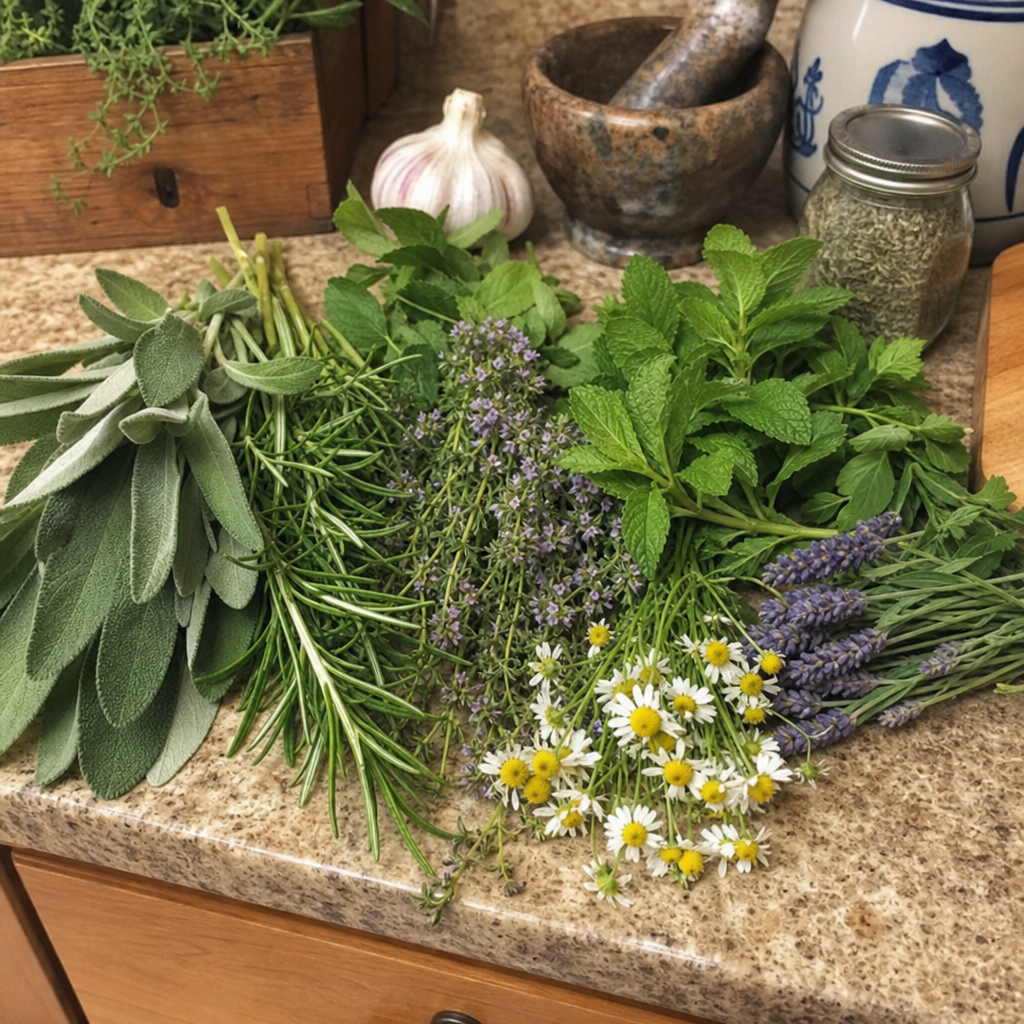
Before You Start: A Smarter Way to Think About Herbal Remedies
The safest way to use herbs is to think in layers. Food use is usually the mildest layer. Supplements are more concentrated, and essential oils are often the strongest.
- Use herbs for support, not as a replacement for diagnosis or treatment. If pain, stomach trouble, mood changes, high blood pressure, odd bleeding, breathing problems, or infection signs last, get medical care.
- Choose one new herb at a time. That makes it easier to spot benefits or side effects.
- Respect dose and length of use. More is not always better, and long-term use is not always studied.
- Tell your health care provider about every supplement you take. Herbs can interact with medicines, especially blood thinners, sedatives, diabetes drugs, blood pressure drugs, immune drugs, thyroid drugs, and drugs with a narrow therapeutic range. (NCCIH)
- Be extra careful with children, pregnancy, breastfeeding, surgery, liver disease, kidney disease, autoimmune disease, and hormone-sensitive conditions. These situations can change the risk of even familiar herbs.
1. Turmeric: The Golden Root for Everyday Inflammation Support
Turmeric is a bright yellow root used as a spice and in many South Asian dishes. Its best-known compound is curcumin, which people promote for inflammation, joint comfort, metabolic health, and general resilience.
As food, turmeric is easy to use. Add it to soups, stews, rice, roasted vegetables, smoothies, tea, and warm milk-style drinks. Its earthy flavor pairs well with ginger, black pepper, cinnamon, coconut milk, lemon, and honey.
The evidence is promising but not final. NCCIH notes that many studies have looked at turmeric or curcumin for conditions such as arthritis, fatty liver disease, and lipid disorders, but the evidence is not strong enough to say that turmeric or curcumin helps any health issue. Some analyses of oral turmeric or curcumin for knee arthritis have shown early positive results, but better evidence is still needed. (NCCIH)
The safety details matter. Conventional oral turmeric or curcumin products may be safe in recommended amounts for short-term use, but side effects can include nausea, reflux, stomach upset, diarrhea, or constipation. Easy-to-absorb curcumin formulas, including some made for better absorption, have been linked to liver damage reports. Turmeric supplements may also be unsafe during pregnancy when used in amounts higher than food amounts. (NCCIH)
Best everyday use: Start with culinary turmeric. Add a small amount to meals several times a week instead of jumping straight to high-dose supplements. If you are thinking about concentrated curcumin, discuss it with a clinician first, especially if you have liver concerns or take medicine.
2. Ginger: The Warming Herb for Digestion and Nausea Support
Ginger is another root with a long history in cooking and folk traditions. It is warm, pungent, slightly sweet, and easy to use fresh, dried, powdered, candied, or steeped as tea. In herbal medicine, ginger is most often linked with nausea, digestive comfort, menstrual cramps, and joint discomfort.
Ginger is especially useful because it fits naturally into food. Fresh ginger can be simmered in tea, grated into stir-fries, blended into dressings, added to broths, or paired with lemon and honey. Powdered ginger works well in oatmeal, baked goods, spice blends, and warm drinks.
Research has looked at ginger for several kinds of nausea and vomiting. NCCIH reports that ginger may help with nausea and vomiting linked to pregnancy, while most studies have not shown it to help motion sickness. Evidence is unclear for chemo nausea, nausea after surgery, and knee arthritis, and some research suggests ginger supplements may help lower the severity of menstrual cramps. (NCCIH)
Ginger has been used safely by mouth in many research studies, but it can cause abdominal discomfort, heartburn, diarrhea, and mouth or throat irritation. People taking medicine should check with a health care provider before using ginger supplements because some herbs and medicines may interact in harmful ways. (NCCIH)
Best everyday use: Keep fresh ginger on hand for tea and cooking. If you want ginger for nausea during pregnancy, or if you take blood-thinning, diabetes, or blood pressure medicine, ask a qualified professional what amount is right.
3. Peppermint: The Cooling Herb for Digestive Comfort
Peppermint is a natural cross between water mint and spearmint. Its leaves are familiar in teas, sauces, desserts, and breath-freshening products, while peppermint oil is a concentrated essential oil used in some digestive supplements and topical products.
Peppermint’s wellness reputation is strongest in digestion. A cup of peppermint tea after a meal can be a simple ritual, and coated peppermint oil capsules are often promoted for irritable bowel syndrome. The coating matters because it helps the oil pass through the stomach before it dissolves, which may lower upper digestive irritation for some people.
NCCIH reports that a small amount of research suggests coated peppermint oil capsules may improve IBS symptoms in adults. A 2022 review found peppermint oil did better than placebo for overall IBS symptoms and abdominal pain, though side effects were more common and included reflux and indigestion. NCCIH also notes that very little research has been done on peppermint leaf, so there is not enough evidence to say whether peppermint leaf helps any health condition. (NCCIH)
Peppermint can worsen reflux in some people, especially in forms without coating. Peppermint oil should be treated with respect because essential oils are highly concentrated. Menthol, a part of peppermint oil, should not be inhaled by infants or applied to their faces because it may affect breathing. (NCCIH)
Best everyday use: Enjoy peppermint tea as a refreshing after-meal ritual. If you have IBS and want to try peppermint oil capsules, choose products made for oral use and talk with a clinician if you have reflux, take medicine, are pregnant, or are caring for a child.
4. Chamomile: The Gentle Flower for Calm Evening Rituals
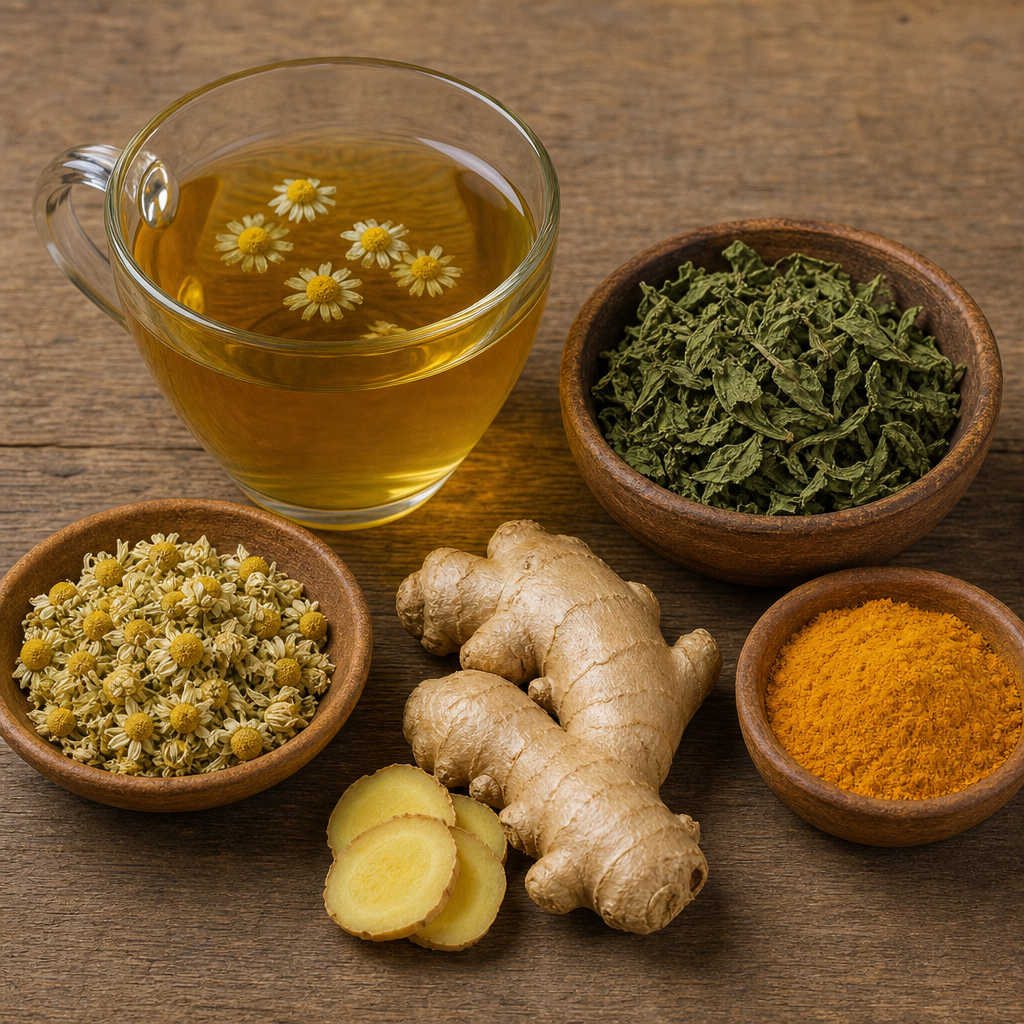
Chamomile is one of the most beloved herbs for relaxation. German chamomile is the type most often discussed in research and is commonly used as tea. Its floral, apple-like taste makes it a classic choice before bed or during stressful seasons.
Chamomile is best seen as a calming ritual herb rather than a proven sleep cure. The act of making tea, stepping away from screens, breathing in steam, and slowing the pace of the evening may be part of the benefit. For many people, that ritual is valuable on its own.
NCCIH notes that studies of chamomile for specific conditions have not produced enough solid proof to judge how well it works. Some early studies suggest chamomile supplements might help generalized anxiety disorder and related depression, but evidence for insomnia is very limited, and one study in a 2019 review found no benefit for insomnia. (NCCIH)
Chamomile is likely safe when used by mouth in amounts commonly found in teas and foods, but allergic reactions can occur. People allergic to related plants such as ragweed, chrysanthemums, marigolds, or daisies may be more likely to react. Interactions have been reported with warfarin, and there are possible concerns about interactions with sedatives and some drugs processed by the liver. (NCCIH)
Best everyday use: Use chamomile tea as part of a relaxing bedtime routine. Avoid assuming it is risk-free if you have severe seasonal allergies, take blood thinners or sedatives, or have a condition affected by estrogen exposure.
5. Echinacea: The Seasonal Herb for Immune-Focused Routines
Echinacea is a flowering plant traditionally used during cold and flu season. Supplements may include different species, plant parts, extraction methods, and strengths, which is one reason research results can be hard to interpret.
For wellness, echinacea is usually used short term at the first sign of seasonal discomfort or during periods when people want extra immune-focused support. It is available as capsules, tinctures, teas, lozenges, and combination products.
The science is mixed. NCCIH’s common cold review notes that clinical trials of echinacea for colds have varied widely in products studied, study methods, and results. A review concluded that therapeutic use of Echinacea purpurea may improve cold symptoms in adults, but the evidence is inconsistent. (NCCIH)
Safety depends on the person and the product. Echinacea products containing E. purpurea extracts and some mixes with narrowleaf echinacea are likely safe for most adults for short periods, but allergic reactions can occur and may be severe. Digestive symptoms such as abdominal pain, nausea, or stomach pain are among the more common side effects. NCCIH also notes possible concerns about interactions with immune drugs or caffeine and mixed evidence about interactions with some drugs processed by the liver. (NCCIH)
Best everyday use: Use echinacea only for short seasonal periods, not all year. Avoid it or ask for medical advice if you have autoimmune disease, take immune drugs, have severe allergies, are pregnant or breastfeeding, or are giving it to a child.
6. Garlic: The Kitchen Staple for Heart-Smart Meals
Garlic is both a culinary powerhouse and one of the most widely used herbal remedies. It brings depth to savory dishes and is often linked with heart health, immune support, and metabolic health.
As food, garlic is a practical way to make healthy meals more flavorful. It can help vegetables, legumes, whole grains, fish, poultry, soups, and sauces taste satisfying without relying heavily on added salt or ultra-processed condiments. That alone can support a better eating pattern.
NCCIH reports that limited evidence suggests garlic supplements may lower blood pressure a little in people with high blood pressure and may lower blood sugar slightly in people with diabetes.
There is not much proof that the immune system gets stronger. A 2022 review found just two small studies, and they had some problems.
Garlic consumption does not appear to lower stomach cancer risk, and its effect on colorectal cancer risk remains uncertain. (NCCIH)
Garlic taken by mouth has been used safely in research studies lasting up to seven years, but side effects can include breath and body odor, abdominal pain, gas, nausea, and allergic reactions. Garlic supplements may increase bleeding risk, so people taking thinners, aspirin, or preparing for surgery should be extra careful. Fresh raw garlic can also irritate or burn skin when used on the skin. (NCCIH)
Best everyday use: Use garlic generously in cooking if you tolerate it well. Treat garlic supplements differently from food-level garlic, especially if you take blood thinners, have surgery planned, or use diabetes or blood pressure medicine.
7. Lavender: The Aromatic Herb for Stress and Sleep Rituals
Lavender is an aromatic southern plant used in bath products, perfumes, sachets, teas, essential oils, and some oral products. It is strongly linked with relaxation, calm spaces, and evening routines.
Lavender’s most accessible wellness use is by scent. A lavender sachet near the bed, a diluted topical product, or a diffuser used according to safety instructions can create a calming setting. For many people, lavender works best as part of a broader sleep routine that includes dim lights, steady timing, less caffeine, and less late-night screen use.
NCCIH notes that studies have looked at lavender products for a range of conditions, but more high-quality research is needed. Some studies suggest a specific lavender oil product taken by mouth might help anxiety, including anxiety with related depressive symptoms, but limits include small sample sizes, lack of independent funding and testing, and limited participant diversity. It remains unclear whether lavender scent therapy helps anxiety, stress, depression symptoms, pain, sleep quality, insomnia, or other conditions. (NCCIH)
Lavender is likely safe in food amounts, and use by scent is considered possibly safe, though it may cause headache or coughing. Topical lavender can cause allergic skin reactions, and there are possible concerns about interactions with sedative drugs or herbs. Little is known about safety during pregnancy or breastfeeding. (NCCIH)
Best everyday use: Use lavender by scent for ambiance and relaxation. Do not ingest lavender essential oil unless it is part of a properly made oral product and you have professional guidance.
8. Milk Thistle: The Liver-Focused Herb With Important Limits
Milk thistle is a tall plant with purple flowers. Its main extract ingredient, silymarin, is widely promoted for liver health, diabetes, and general detox support. In traditional herbal medicine, it has a long-standing reputation as a liver herb.
This is one herb where marketing often runs ahead of evidence. The liver plays a key role in how the body uses food and drugs, so liver-support claims are appealing. But wellness content should be careful not to imply that milk thistle can treat liver disease, reverse damage, or make unhealthy habits safe.
NCCIH says there is not enough high-quality evidence to draw firm conclusions about milk thistle’s effects on health conditions in people. Some studies suggest milk thistle extracts may help control blood sugar in people with type 2 diabetes, but how well the results fit other people is unclear. Clinical trials for liver diseases, including hepatitis and fatty liver-related conditions, have produced conflicting or limited findings, and two NCCIH-funded studies did not show benefits from silymarin supplement use for hepatitis C or fatty liver inflammation. (NCCIH)
Milk thistle taken by mouth appears to be well tolerated, with digestive symptoms such as bloating, nausea, and gas among the most common side effects. Quality is a concern: some products have had different amounts of silymarin than the label said or have been tainted with pesticides, germs, or mycotoxins. Milk thistle may also cause allergic reactions in people sensitive to related plants such as ragweed, chrysanthemum, marigold, and daisy. (NCCIH)
Best everyday use: If you are interested in milk thistle for liver issues, speak with a health care provider first. Do not use it to self-treat abnormal liver tests, hepatitis, fatty liver disease, medicine side effects, or alcohol-related concerns.
9. Ashwagandha: The Stress-Helping Root for Resilience
Ashwagandha is an important herb in Ayurvedic traditions and is often described as a stress-helping herb, a term used for herbs promoted to help the body respond to stress. It is commonly sold as capsules, powders, gummies, and tinctures.
In wellness routines, ashwagandha is usually used for stress, sleep, calm focus, and recovery. It is more supplement-like than culinary for most people, which means quality, dose, and personal risk factors matter.
NCCIH reports that some ashwagandha preparations may help insomnia and stress, though evidence about anxiety is unclear. Many trials have been small and have used varied preparations, so it is hard to compare results across all products. There is not enough evidence to say whether ashwagandha helps asthma, athletic performance, thinking, diabetes, menopause, or female infertility. (NCCIH)
Safety cautions are significant. Ashwagandha may be safe short term for up to three months, but there is not enough information to draw firm conclusions about long-term safety. Side effects can include drowsiness, stomach upset, diarrhea, and vomiting. Rare liver damage cases have been linked to ashwagandha supplements. It should be avoided during pregnancy and breastfeeding, and it is not recommended for people about to have surgery or those with autoimmune or thyroid disorders. It may interact with diabetes medicines, blood pressure medicines, immune drugs, sedatives, seizure drugs, and thyroid hormone medications. (NCCIH)
Best everyday use: Consider ashwagandha only if it fits your health profile and you can use it short term with guidance. It is not a casual add-on for everyone.
10. Elderberry: The Berry-Based Botanical for Seasonal Comfort
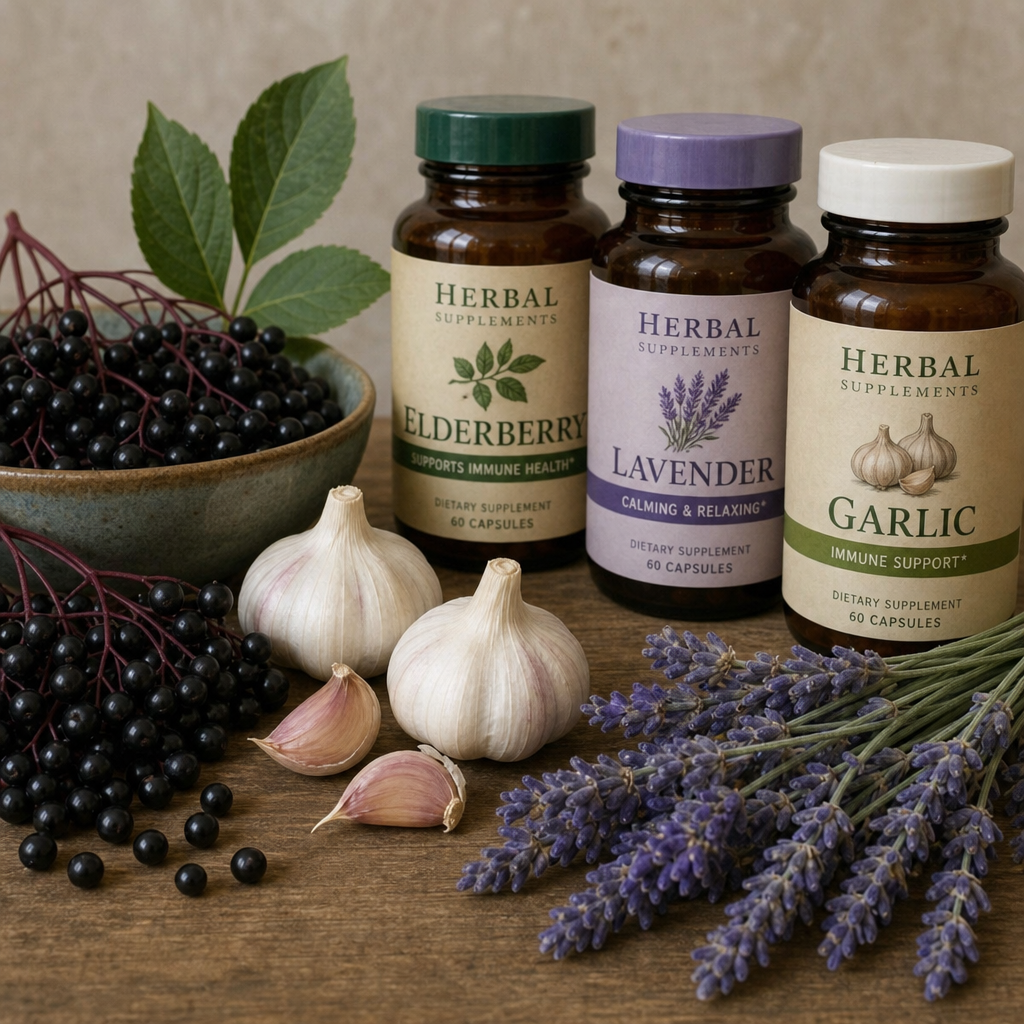
Elderberry is technically a berry-bearing botanical rather than a leafy herb, but it is widely included in herbal remedies and seasonal wellness formulas. Black elderberry products are commonly sold as syrups, gummies, lozenges, teas, and capsules.
Elderberry is most often used during cold and flu season. Its deep purple color and tart flavor make it popular in syrups and warm drinks. Like echinacea, it is best seen as a seasonal comfort tool rather than an immune guarantee.
NCCIH reports that a small number of studies have evaluated elderberry for colds, flu, and other upper chest infections, and some early research suggests elderberry may ease symptoms of these illnesses. However, there is not enough information to show whether elderberry is useful for other health purposes, and there is no good evidence supporting its use for COVID-19. (NCCIH)
Safety depends heavily on preparation. Raw or unripe elderberries and other parts of the elder tree, including leaves and stems, contain cyanide-producing substances that can cause nausea, vomiting, and severe diarrhea. Cooking removes this toxin. Little is known about whether elderberry is safe for health purposes during pregnancy or breastfeeding. (NCCIH)
Best everyday use: Choose properly prepared elderberry products from reputable sources. Do not make raw elderberry preparations unless you know safe processing, and do not rely on elderberry to prevent or treat serious viral illness.
How to Choose the Right Herb for Your Wellness Goal
The best herb is not the trendiest one. It is the one that matches your goal, your health history, your medicines, your preferences, and your ability to use it safely and regularly.
For digestive comfort, ginger, peppermint, and chamomile are common starting points. Ginger may suit nausea-prone days, peppermint may fit after-meal routines, and chamomile may help when tension and digestion overlap.
For relaxation and sleep rituals, chamomile and lavender are gentle, sensory options, while ashwagandha is a more concentrated supplement choice that requires more caution.
For seasonal wellness, echinacea and elderberry are popular short-term herbs, but the evidence is mixed or early, and neither should replace vaccination, hygiene, rest, medical care, or proper treatment.
For heart-smart cooking, garlic is the standout because it supports flavorful meals. Using garlic in food is very different from taking high-dose garlic supplements.
For joint comfort and inflammation-focused routines, turmeric and ginger are practical food choices, but concentrated extracts should be approached carefully.
For liver issues, milk thistle has a strong reputation but limited and conflicting clinical evidence. Liver concerns deserve testing, diagnosis, and professional care.
Building a Simple Herbal Wellness Routine
A balanced routine does not need ten herbs at once. In fact, using too many products can make it harder to tell what helps and what causes side effects. Start small.
A simple daily rhythm might look like this:
- Morning: Ginger tea or turmeric added to breakfast.
- Midday: Garlic, turmeric, or ginger used in a whole-food meal.
- Evening: Chamomile tea or lavender by scent as part of a wind-down routine.
- Seasonal use: Echinacea or elderberry for short periods when appropriate.
- Targeted supplement use: Ashwagandha, milk thistle, curcumin, garlic capsules, or peppermint oil only after considering your health history and medicines.
The most sustainable herbal remedies are the ones that connect to habits you already enjoy: cooking, tea, mindful breaks, gardening, bathing, or bedtime rituals.
Quality Matters: What to Look for in Herbal Products
Because herbal supplements can vary in strength, purity, and form, choose carefully. NCCIH notes that supplements sold in stores or online may differ in important ways from products tested in research studies, and dietary supplements may interact with medicines or pose risks for people with certain medical problems or upcoming surgery. (NCCIH)
When shopping, consider these quality signals:
- Clear labeling of the common name and botanical name.
- Transparent ingredient lists with no vague secret blends when possible.
- Suggested serving size and warnings.
- Lot number and expiration or best-by date.
- Independent quality testing when available.
- Avoidance of wild claims such as cures, guaranteed detox, instant immunity, or treatment of serious disease.
Be especially careful with products marketed for weight loss, sexual enhancement, athletic performance, bodybuilding, or dramatic detox. NCCIH warns that some dietary supplements in high-risk categories have been found to contain hidden prescription drugs or other undisclosed compounds. (NCCIH)
Herbal Safety Checklist
Before using any new herb, ask yourself:
- Am I pregnant, trying to become pregnant, or breastfeeding?
- Am I giving this to a child or older adult?
- Do I take prescription or over-the-counter medicine?
- Do I use blood thinners, aspirin, sedatives, diabetes medicine, blood pressure medicine, thyroid medicine, immune drugs, or seizure medicine?
- Do I have liver disease, kidney disease, autoimmune disease, a bleeding disorder, reflux, allergies, hormone-sensitive cancer, or a thyroid condition?
- Do I have surgery, dental work, or a medical procedure coming up?
- Am I using more than one supplement with similar effects?
- Is the product a food, tea, capsule, tincture, extract, or essential oil?
If several of these apply, pause and seek professional guidance.
The Bottom Line
Healing herbs can be a meaningful part of wellness when used with respect. The most helpful approach is not to chase miracle claims, but to build a thoughtful routine around food, rest, stress management, movement, medical care, and carefully chosen botanical support.
Turmeric and ginger shine in the kitchen. Peppermint and chamomile make comforting teas. Garlic supports flavorful, heart-smart meals. Lavender can enrich calming rituals. Echinacea and elderberry may have a place in seasonal routines. Milk thistle and ashwagandha require more caution because their supplement forms are often used for specific health goals and may not be right for everyone.
Herbal medicine works best when it is informed, moderate, and personal. Start with the mildest form, use one herb at a time, pay attention to your body, and involve your health care provider whenever medicines, chronic conditions, pregnancy, breastfeeding, children, or concentrated supplements are part of the picture.
Q&A
Question: What does healing herbs really mean – are they cures?
Short answer: In this guide, healing herbs support comfort and routine, not cures. Herbs can help with relaxation, digestion, seasonal comfort, and adding nourishment to meals, but they should not replace diagnosis or medical treatment. Seek medical care for persistent pain, ongoing stomach issues, mood changes, high blood pressure, odd bleeding, breathing problems, or signs of infection.
Question: What is the safest way to start using herbs?
Short answer: Think in layers and start gently.
- Begin with food-level use, such as culinary herbs and teas, which is usually the mildest. Supplements are more concentrated; essential oils are often the strongest.
- Try one new herb at a time and respect dose and length of use.
- Tell your health care provider about all supplements. Interactions are most common with blood thinners, sedatives, diabetes and blood pressure medicines, immune drugs, thyroid medicines, and drugs with a narrow therapeutic range.
- Be extra careful with children, pregnancy, breastfeeding, upcoming surgery, and if you have liver or kidney disease, autoimmune conditions, or hormone-sensitive conditions.
Question: Which herbs fit common wellness goals?
Short answer: Match the herb to your goal and your health profile.
- Digestive comfort: ginger for nausea, peppermint for coated oil capsules for some IBS symptoms, chamomile when tension and digestion overlap.
- Relaxation and sleep rituals: chamomile and lavender by scent are gentle; ashwagandha is a more concentrated option and needs caution.
- Seasonal wellness: echinacea and elderberry are used short term; evidence is mixed or early and they do not replace vaccination, hygiene, rest, or medical care.
- Heart-smart cooking: garlic shines in food; supplements are different and may raise bleeding risk.
- Joint comfort and inflammation routines: turmeric and ginger in food are practical; approach concentrated curcumin carefully because of liver damage reports with some easy-to-absorb forms.
- Liver issues: milk thistle has limited and conflicting evidence – get professional evaluation and care.
Question: How strong is the evidence behind these 10 herbs?
Short answer: It is generally mixed to early. Some targeted uses show promise, but many claims go beyond the data.
- Turmeric/curcumin: early findings are promising, such as for knee arthritis, but not final; some easy-to-absorb curcumin products have been linked to liver damage reports.
- Ginger: may help pregnancy nausea; unclear for motion sickness and chemo or after surgery nausea; may help menstrual cramps.
- Peppermint: coated oil may improve IBS symptoms; peppermint leaf evidence is not enough.
- Chamomile: overall evidence is limited; early signs for generalized anxiety; weak or limited evidence for insomnia.
- Echinacea: findings are inconsistent; some benefit for adult cold symptoms, but results vary by product and study.
- Garlic: small drops in blood pressure and blood sugar may be possible; limited evidence for immune effects.
- Lavender: oral use of a specific oil product may help anxiety in some studies; scent therapy evidence for stress and sleep is still unclear.
- Milk thistle: evidence for liver diseases is not enough and is conflicting; possible blood sugar effects need more study.
- Ashwagandha: some benefit for stress and insomnia; anxiety results are unclear; many trials are small and varied.
- Elderberry: early relief of cold and flu symptoms; no good evidence for COVID-19 or other uses.
Question: How are herbal supplements regulated in the U.S., and how can I choose quality products?
Short answer: Many oral herbal products are regulated as dietary supplements, which usually do not need FDA proof of safety or effect before sale, so careful selection matters. Look for:
- Clear common and botanical names, full ingredient lists, and no vague secret blends.
- Serving size and warnings.
- Lot number and expiration or best-by date.
- Independent quality testing, when available.
- Avoid wild claims such as cures, guaranteed detox, instant immunity, or disease treatment.
- Extra caution with high-risk categories like weight loss, sexual enhancement, athletic performance, bodybuilding, and dramatic detox, which have sometimes contained hidden drugs.